The digital publishing landscape demands precision, speed, and scalability in how content is organized, described, and discovered. Indexing and metadata serve as the foundational infrastructure that determines whether valuable content reaches its intended audience or remains buried in vast digital repositories. As content volumes grow exponentially across academic journals, legal databases, corporate knowledge bases, and digital libraries, traditional manual indexing methods struggle to keep pace. Generative AI emerges as a powerful ally in this challenge, offering capabilities that augment human expertise while maintaining the editorial standards essential for quality information architecture.
The Role of Indexing and Metadata in Content Discoverability
Structured information architecture transforms raw content into accessible knowledge. Well-crafted indexes and comprehensive metadata enable users to navigate complex information ecosystems efficiently, whether searching academic databases, browsing e-commerce catalogs, or exploring digital archives. This infrastructure directly influences search engine rankings, user engagement metrics, and the long-term commercial value of content assets.
Benefits of robust indexing and metadata systems include:
- Enhanced search visibility across platforms and discovery services
- Improved internal navigation and cross-content relationships
- Increased content reuse and monetization opportunities
- Better alignment with user search behavior and intent
- Streamlined content management and digital asset organization
- Stronger competitive positioning in crowded information markets
What Indexing Means in Digital Publishing
Digital indexing creates structured access points that guide users to specific information within larger content collections. Unlike simple keyword tagging, professional indexing establishes semantic relationships, hierarchies, and conceptual frameworks that reflect how users actually search and think about topics.
Common indexing elements include:
- Primary terms and concepts representing core subject matter
- Subheadings and nested entries showing hierarchical relationships
- Cross-references connecting related concepts and synonyms
- See and see-also references guiding users to preferred terminology
- Page or section locators pinpointing exact content locations
- Scope notes clarifying term usage and context
Metadata as the Backbone of Search and Retrieval
Metadata constitutes the descriptive, structural, and administrative information that makes content machine-readable and discoverable across systems. Different metadata types serve distinct functional purposes within information ecosystems, as shown in the Dublin Core Metadata Initiative standards.
| Metadata Type | Primary Purpose | Common Examples | Key Use Cases |
|---|---|---|---|
| Descriptive | Enables discovery and identification | Titles, authors, abstracts, keywords, subjects | Search optimization, catalog records, discovery platforms |
| Structural | Defines content organization | Chapter divisions, page sequences, file relationships | Navigation systems, digital object assembly |
| Administrative | Supports management and rights | Creation dates, file formats, copyright status, provenance | Rights management, preservation, workflow tracking |
How Generative AI Enhances Index Creation
Artificial intelligence accelerates index development by analyzing large text volumes and identifying conceptual patterns that would require extensive human review time. Rather than replacing professional indexers, AI serves as an intelligent assistant that handles initial analysis while humans provide expertise, judgment, and quality control.
Automated Term Extraction and Topic Clustering
Generative AI processes documents to identify statistically significant terms, conceptual relationships, and thematic patterns. Machine learning models recognize which phrases carry substantive meaning versus common language, enabling faster initial term candidate identification.
AI-generated indexing outputs include:
- Preferred terms representing primary concepts with highest relevance scores
- Variant forms and synonyms capturing different expressions of identical concepts
- Related term suggestions based on co-occurrence patterns and semantic proximity
- Hierarchical structures showing parent-child relationships between general and specific topics
- Weighted importance scores ranking terms by document prominence and centrality
Context-Aware Cross-References and See-Also Links
Advanced language models understand contextual relationships between concepts, enabling intelligent cross-reference suggestions that improve index usability. AI analyzes how terms relate within specific documents rather than applying generic associations.
Example cross-reference improvements:
- Connecting technical terms to plain-language equivalents for broader accessibility
- Linking historical concepts to contemporary terminology reflecting current usage
- Identifying implicit relationships not explicitly stated in text
- Suggesting bidirectional references ensuring comprehensive navigation paths
Using Generative AI to Improve Metadata Quality

Metadata consistency and completeness directly impact content performance across discovery channels. AI-assisted generation ensures systematic coverage of metadata fields while maintaining standardized formatting and controlled vocabulary adherence.
AI-Generated Descriptive Metadata at Scale
Generative AI produces titles, abstracts, descriptions, and keyword sets by analyzing full content and distilling core information into structured fields. This capability proves particularly valuable for organizations managing thousands of content items requiring metadata updates or initial cataloging.
| Factor | Manual Creation | AI-Assisted Creation |
|---|---|---|
| Processing Speed | 15-30 minutes per item | 1-2 minutes per item with review |
| Consistency | Varies by cataloger expertise | Standardized based on training parameters |
| Vocabulary Control | Requires reference checking | Automated alignment with controlled vocabularies |
| Scalability | Limited by human resources | Easily scaled to large collections |
Normalization and Vocabulary Control
AI supports metadata standardization by aligning terminology with established taxonomies, subject headings, and classification systems. This ensures consistency across metadata fields and compatibility with external discovery systems.
Common normalization challenges AI addresses:
- Variant spellings and formatting inconsistencies across legacy content
- Name authority control for personal and corporate entities
- Geographic name standardization according to official gazetteers
- Date format harmonization across international and historical content
- Subject heading alignment with Library of Congress or domain-specific vocabularies
Metadata Promotion and Visibility Optimization with AI
Metadata functions as both descriptive infrastructure and promotional content influencing click-through rates and platform visibility. Strategic metadata optimization ensures content surfaces effectively in search results and recommendation systems.
Optimizing Metadata for Search Engines and Platforms
AI refines metadata elements to align with search engine optimization best practices and platform-specific requirements. This includes crafting compelling titles and descriptions that balance keyword inclusion with user engagement.
Essential optimization elements:
- Title tags incorporating primary keywords while maintaining natural readability
- Meta descriptions featuring action-oriented language and clear value propositions
- Schema markup enabling rich results and enhanced search features
- Alt text and image descriptions supporting accessibility and image search visibility
- Category and taxonomy assignments ensuring proper content classification
- Canonical URLs and redirect management preventing duplicate content issues
Adapting Metadata for Multiple Channels
Content often requires channel-specific metadata variations optimized for different platforms and audience contexts. AI generates tailored versions maintaining core information while adjusting tone, length, and emphasis.
Channel-specific requirements:
- Website and CMS systems: Full descriptive metadata with internal linking recommendations
- E-commerce and retail catalogs: Product-focused descriptions emphasizing benefits and specifications
- API and data feeds: Structured, machine-readable formats following technical schemas
- Discovery services and aggregators: Extended subject metadata supporting federated search
Human-in-the-Loop: Balancing AI Automation and Editorial Control
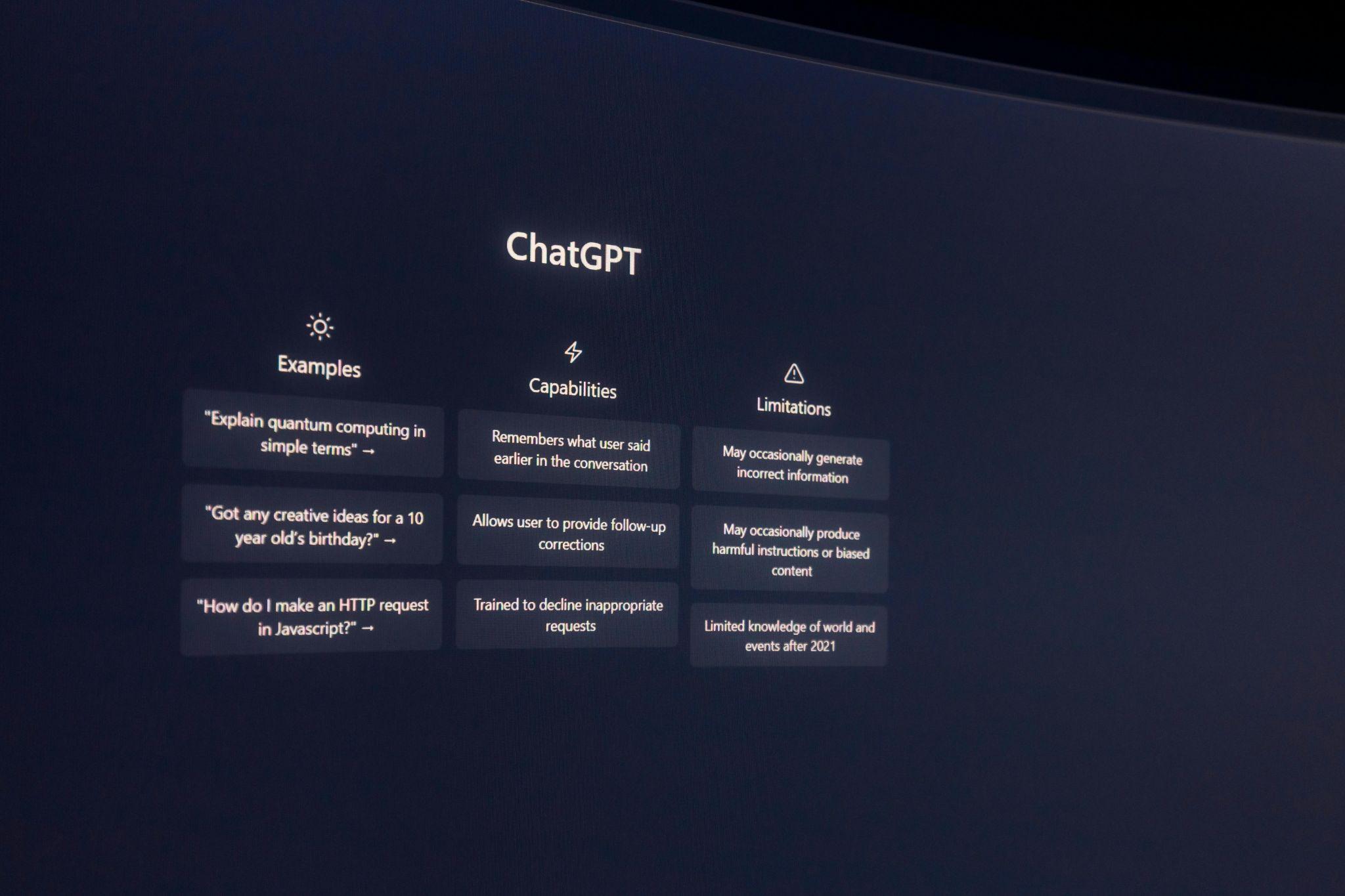
Effective AI implementation requires collaborative workflows where technology handles repetitive analysis while human professionals provide expertise, context, and final approval. This partnership ensures quality standards while maximizing efficiency gains.
Editorial Review and Quality Standards
Professional review validates AI outputs against organizational standards and domain-specific requirements that algorithms may not fully capture.
Recommended quality assurance checks:
- Accuracy verification confirming terms and descriptions match actual content
- Completeness assessment ensuring all required metadata fields contain appropriate values
- Consistency review checking adherence to style guides and controlled vocabularies
- Contextual appropriateness validating terminology suits target audience and purpose
- Cross-reference validation testing that all see and see-also references function correctly
Ethical, Legal, and Accuracy Considerations
AI systems present specific risks requiring mitigation strategies including potential algorithmic bias, factual inaccuracies, and intellectual property concerns.
Risk mitigation checklist:
- Implement diverse training data sets representing varied perspectives and contexts
- Establish human review requirements for sensitive or high-stakes content
- Verify AI-generated content against authoritative sources before publication
- Maintain clear documentation of AI involvement in content creation
- Respect copyright and fair use principles in training data and outputs
Practical Use Cases for Publishers and Information Providers
Organizations across sectors leverage AI-assisted indexing and metadata generation to address specific operational challenges while improving content accessibility.
Academic, Legal, and Technical Content Indexing
Complex, highly structured content benefits significantly from AI analysis capable of parsing specialized terminology and conceptual frameworks.
Outcomes include:
- Improved retrieval precision through comprehensive term coverage and relationship mapping
- Faster publication workflows reducing time from manuscript to indexed content
- Enhanced citation linking connecting related research across document collections
- Consistent subject classification applying standardized taxonomies systematically
Backlist Modernization and Legacy Content Enhancement
AI refreshes older content metadata to meet current discoverability standards without requiring complete manual re-cataloging of entire archives.
Before and after comparison:
- Before: Minimal metadata with outdated terminology and incomplete subject headings
- After: Comprehensive metadata with current controlled vocabulary, rich descriptions, and full indexing
Measuring the Impact of AI-Assisted Indexing and Metadata
Organizations must evaluate performance metrics demonstrating return on investment and identifying areas for continuous improvement.
Key Performance Indicators to Track
Measurable outcomes include:
- Search visibility improvements through higher rankings and increased impressions
- User engagement metrics including click-through rates and time-on-content
- Retrieval accuracy measured by successful query resolution rates
- Processing efficiency comparing time and cost per indexed item
- Metadata completeness scores tracking field population rates
Continuous Improvement Through Feedback Loops
Usage data informs ongoing AI refinement creating self-improving systems that learn from actual user behavior.
Improvement process:
- Collect user search queries and navigation patterns
- Analyze which metadata elements correlate with successful content discovery
- Identify gaps where users fail to locate relevant content
- Adjust AI parameters and training data based on performance patterns
- Deploy updated models and monitor comparative performance metrics
Conclusion
Generative AI represents a transformative capability for organizations managing substantial content volumes requiring professional indexing and comprehensive metadata. By augmenting human expertise rather than replacing it, AI enables publishers, libraries, and information providers to maintain high quality standards while achieving unprecedented scale and efficiency. The synergy between algorithmic analysis and editorial judgment creates indexing and metadata systems that serve both immediate discoverability needs and long-term content value preservation. Organizations embracing this collaborative approach position themselves to compete effectively in increasingly crowded information markets while ensuring their valuable content reaches audiences who need it most.